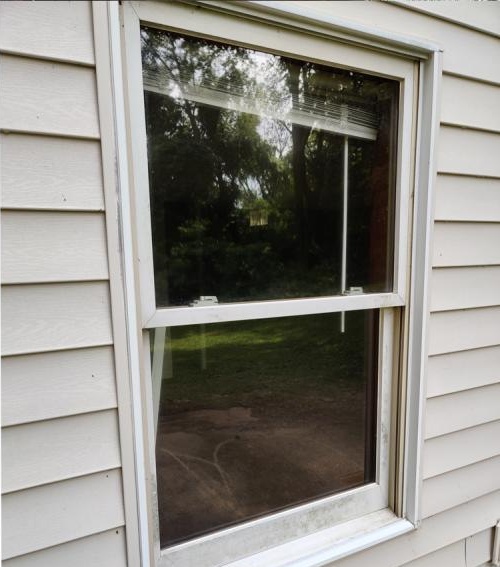
If you've ever noticed your windows looking hazy, streaky, or just generally dull — you're not imagining it. Miami is one of the hardest environments in the US for keeping windows clean. The question we get more than any other: how often should I actually have my windows cleaned?
The short answer: every 3–4 months if you're near the water, every 4–6 months if you're inland. But here's the full picture.
Why Miami Is Harder on Windows Than Most Places
Most window cleaning guides online are written for temperate climates — places where windows get dusty and that's about it. Miami is different for a few specific reasons:
- Salt air: Biscayne Bay, the Atlantic, and even the Intracoastal push salt particles inland. Salt deposits on glass create a white film that doesn't wash off in the rain and slowly etches into the surface over time.
- Year-round humidity: Miami averages 75%+ relative humidity. This traps airborne contaminants against glass and creates ideal conditions for hard water spots to form and set.
- Pollen and dust: South Florida's subtropical plant life produces pollen nearly year-round. Combine that with construction dust from the metro's constant development and your windows are coated continuously.
- Bird activity: Bird droppings are mildly acidic and, left long enough, can permanently etch glass. Miami's bird population is substantial — especially near canals, parks, and tree-lined streets.
The General Rule by Location
Here's what we recommend based on where your home is:
- Waterfront / within 1 mile of the bay or ocean: Every 2–3 months. Salt exposure is significant and the mineral content of ocean air is rough on glass.
- Near canals, Intracoastal, or parks with heavy birds: Every 3 months.
- Standard residential streets (Doral, Kendall, Miramar, etc.): Every 4–6 months.
- Commercial properties: Monthly or every 6–8 weeks — especially customer-facing storefronts where first impressions matter.
Palm Miami Cleaning tip: The biggest mistake homeowners make is waiting until windows look visibly dirty. By then, hard water deposits may have already set — which requires extra work (and extra cost) to remove. Cleaning on a schedule prevents that.
Signs Your Windows Are Overdue
Not sure if yours need cleaning right now? Look for these:
- White or gray film that doesn't go away after rain
- Streaks or water spots that are visible from inside, especially with the sun hitting at an angle
- You can't see through the lower panes clearly (common on ground-floor windows)
- Visible bird dropping residue that's dried and calcified
- The exterior frames or sills have visible dirt buildup
Interior vs. Exterior — Which Gets Dirtier?
Exterior windows accumulate dirt significantly faster than interior windows. If you're trying to prioritize, exterior cleaning every 3–4 months with interior cleaning every 6 months is a reasonable split for most Miami homes.
That said, interior windows in Miami still face a unique challenge: air conditioning runs almost year-round, which means conditioned air constantly circulates dust from inside the home onto window surfaces. Interior cleaning 2x a year is typically enough.
What Happens If You Wait Too Long?
This is where it gets expensive. Hard water deposits — calcium and magnesium minerals from South Florida's water supply — bond to glass over time. Left for 6–12+ months, they become permanent etching that can't be removed with standard window cleaning. At that point, you're looking at either living with it or replacing the glass entirely.
We offer hard water stain removal as a service, and we can reverse most damage if caught within 1–2 years. But the best strategy by far is cleaning on a schedule before deposits have time to set.
Ready to Schedule a Cleaning?
We serve Miami-Dade, Broward, and Palm Beach. Most residential jobs are booked within 48 hours.
Get a Free QuoteCan I Clean My Own Windows?
You can — but there are a few things worth knowing before you grab a squeegee. The biggest issue homeowners run into is using tap water, which contains the same minerals that cause hard water spots. If you're going to DIY, use distilled or deionized water and a quality microfiber cloth or proper squeegee.
For high-rise, second-story, or impact windows, professional cleaning is strongly recommended. Ladder work is one of the most common causes of home injury, and impact windows have specific requirements for cleaning products that won't void manufacturer warranties.
If you're in Miami and looking for consistent, professional results — learn more about our window cleaning service and what's included in every job.